Recreational fishers care deeply about our coast and the wildlife that makes it such a special place to spend time. No one wants to hurt a whale or lose their gear. Fortunately, a few simple practices can greatly reduce the risk of both.
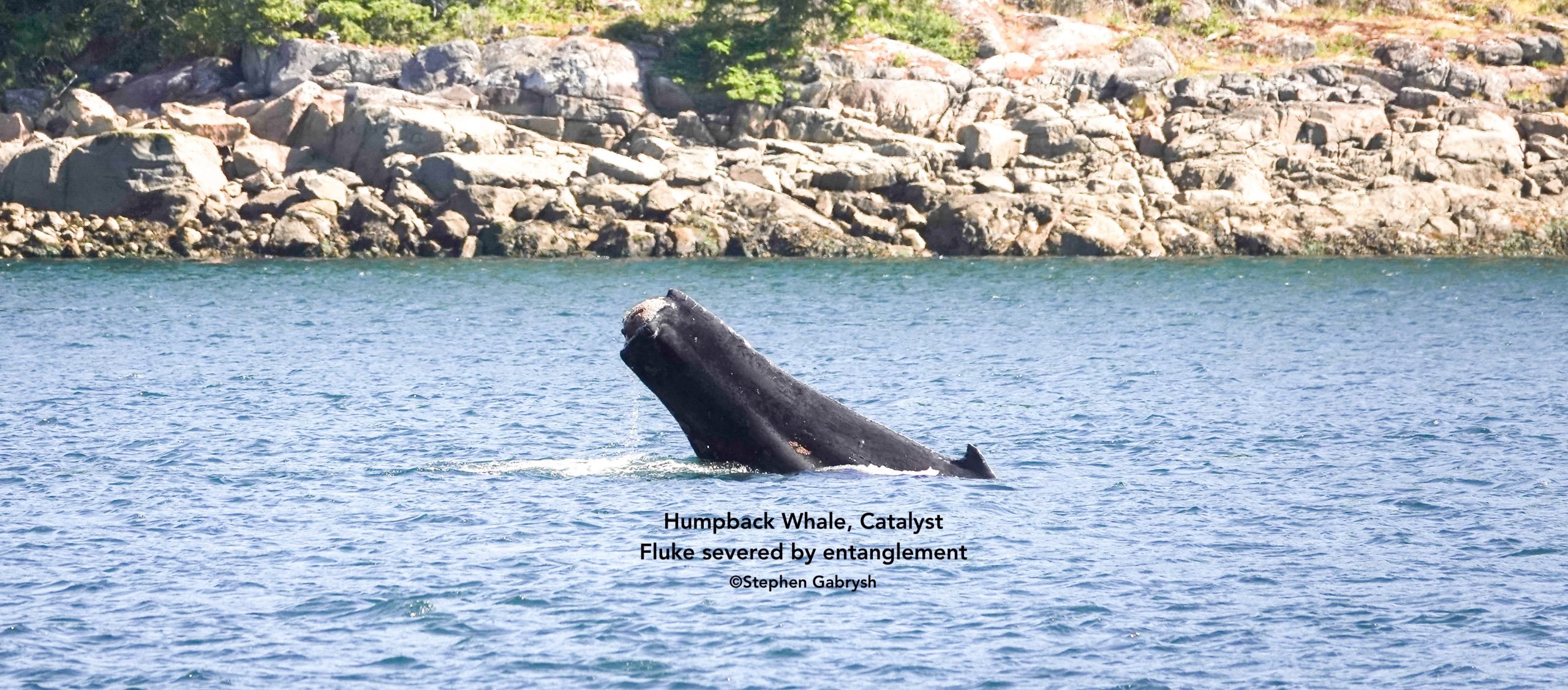
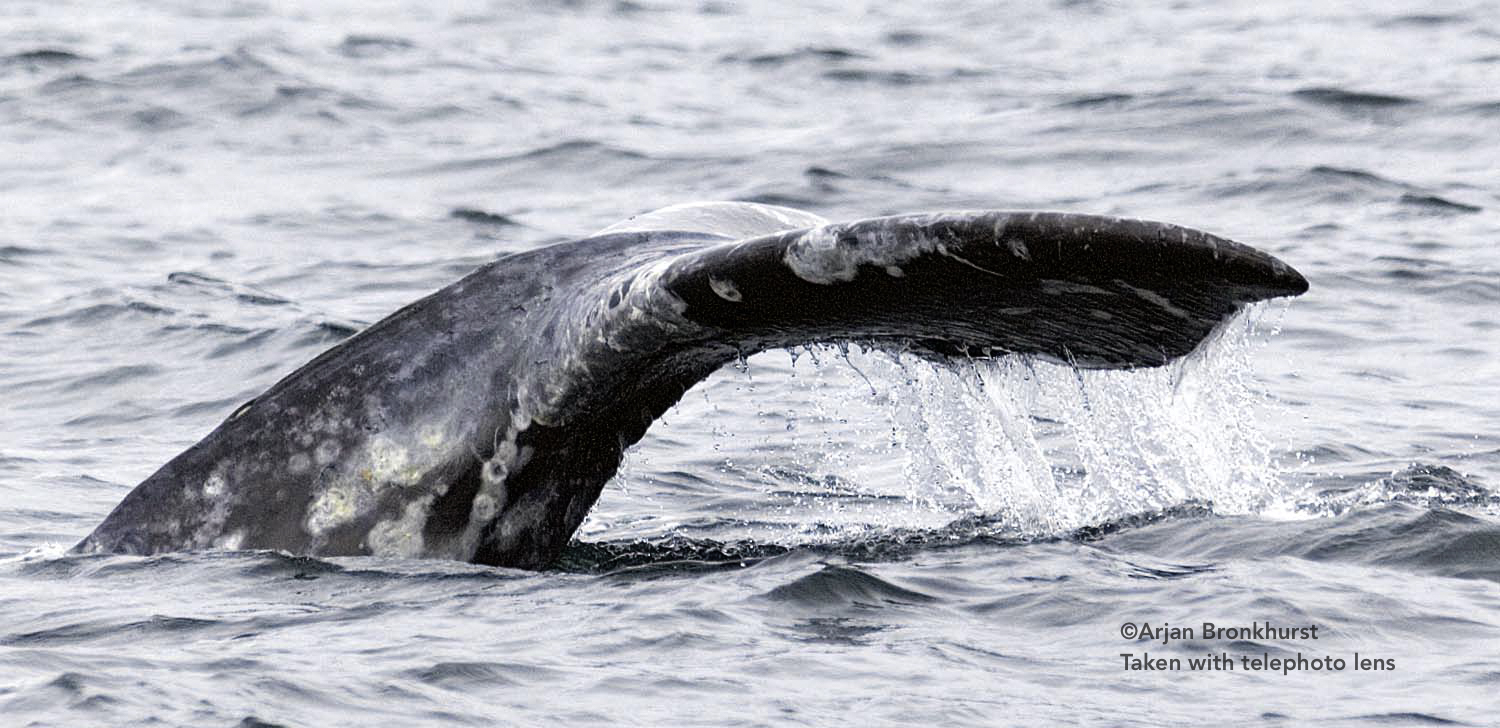
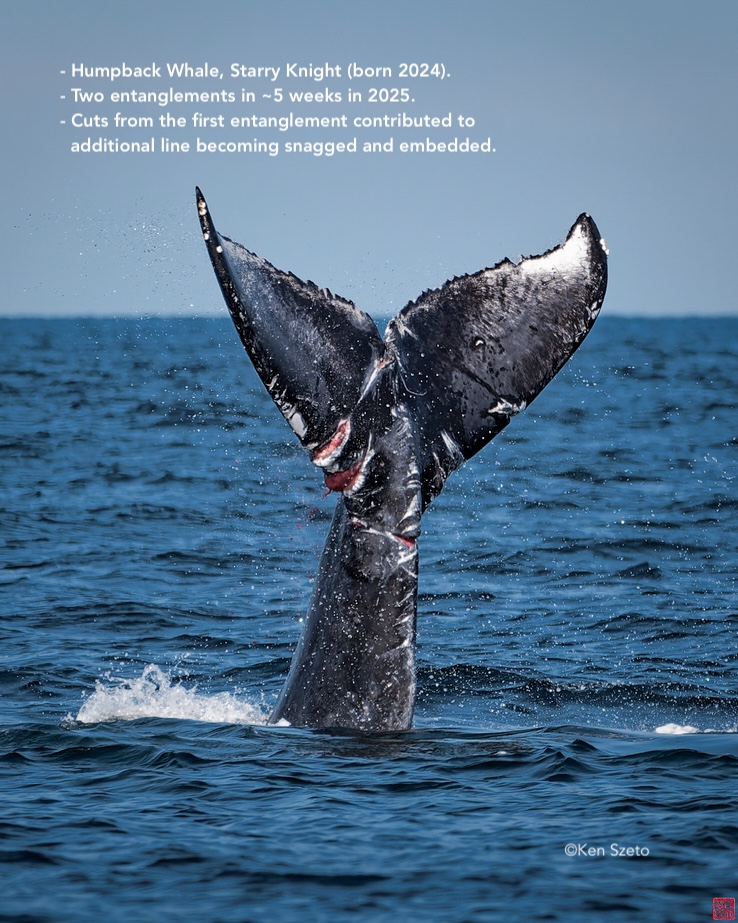
Entanglement in lines attached to crab and prawn traps is a very serious threat to whales in British Columbia, especially baleen whales such as Humpbacks that do not have biosonar. Preliminary results from our research indicate that nearly 50% of Humpback Whales in B.C. photographed as part of the study have scars from at least one entanglement. This is an underestimate of the true frequency of entanglement because it includes only whales that survived, lived long enough to be photographed, and retained observable scars.
The following recommendations are simple, practical steps that can help reduce the risk of whale entanglement and the chance of losing your gear.
Do not set traps near whales.
- Entanglement happens when whales and trap lines overlap. The easiest way to reduce this threat is to keep lines away from whales. Do not set traps if whales are present or where whales are frequently seen. If you are fishing in an area unfamiliar to you, local fishers at marinas and tackle shops often can provide information about areas to avoid due to whale presence.
Reduce your soak time.
- The less time your gear is in the water, the lower the risk of entanglement. Retrieve your traps after a few hours. Do not leave them overnight. This also reduces the risk of losing your gear.
Don’t use too much line.
- Whales can become entangled in any part of the line – from the surface to the bottom. They are more likely to become entangled if lines are slack. Use the minimum amount of scope needed to compensate for tides, currents, and weather, ensuring there is minimal slack while allowing enough line so traps stay on the ocean bottom and do not become suspended and drift.
- Use sinking lines rather than floating lines.
- If the line is longer than needed, do not knot or coil it. Instead, cut the line to shorten it and reattach it to the trap.
Ensure your traps are properly weighted.
- Make sure your traps are sufficiently weighted to remain on the ocean bottom. Attaching a weight near the end of the line reduces slack and therefore mitigates entanglement risk, while allowing enough line to accommodate the tidal cycle.
Choose thicker, brightly coloured lines.
- If a whale becomes entangled, thin line can cause more severe injuries because it cuts into the whale more easily. Thicker line, especially if brightly coloured, is also easier to see and remove by disentanglement teams. Avoid very high-strength line, such as Kevlar, because it is much more difficult to remove from whales.
Clearly mark buoys with your information.
- It is a license requirement to mark buoys with your name and phone number. If a whale does become accidentally entangled in your gear, disentanglement professionals can contact you to gather information about where and when the traps were set. This information can help in learning more about entanglements and how to prevent them. It is national law under the Marine Mammal Regulations that accidental contact with marine mammals (entanglement and collision) must be reported.
Immediately report entanglements.
- If you spot an entangled whale, report it immediately to the Fisheries and Oceans Incident Reporting Line at 1-800-465-4336 or via VHF Channel 16 (if not in cell service).
- DO NOT APPROACH THE WHALE OR ATTEMPT TO REMOVE ANY GEAR. Specialized training is needed to do this safely, legally, and effectively. If possible, stand by the whale at a distance until trained help arrives, or another boat takes over tracking. Take whatever video/photos are possible to document the entanglement and to identify the whale as an individual by their fluke and/or dorsal fin. Maintain a distance that does not stress the whale (at least 100 metres).
For more on how to be a Whale-Safe Boater, see our online course.