
August 4, 2026
Best boating practices regarding dolphins & porpoises
From our online Whale-Safe Boating course: Dall’s Porpoises and dolphin species may choose to bow- or stern-ride. But at other times,…
MERS Marine Education & Research Society
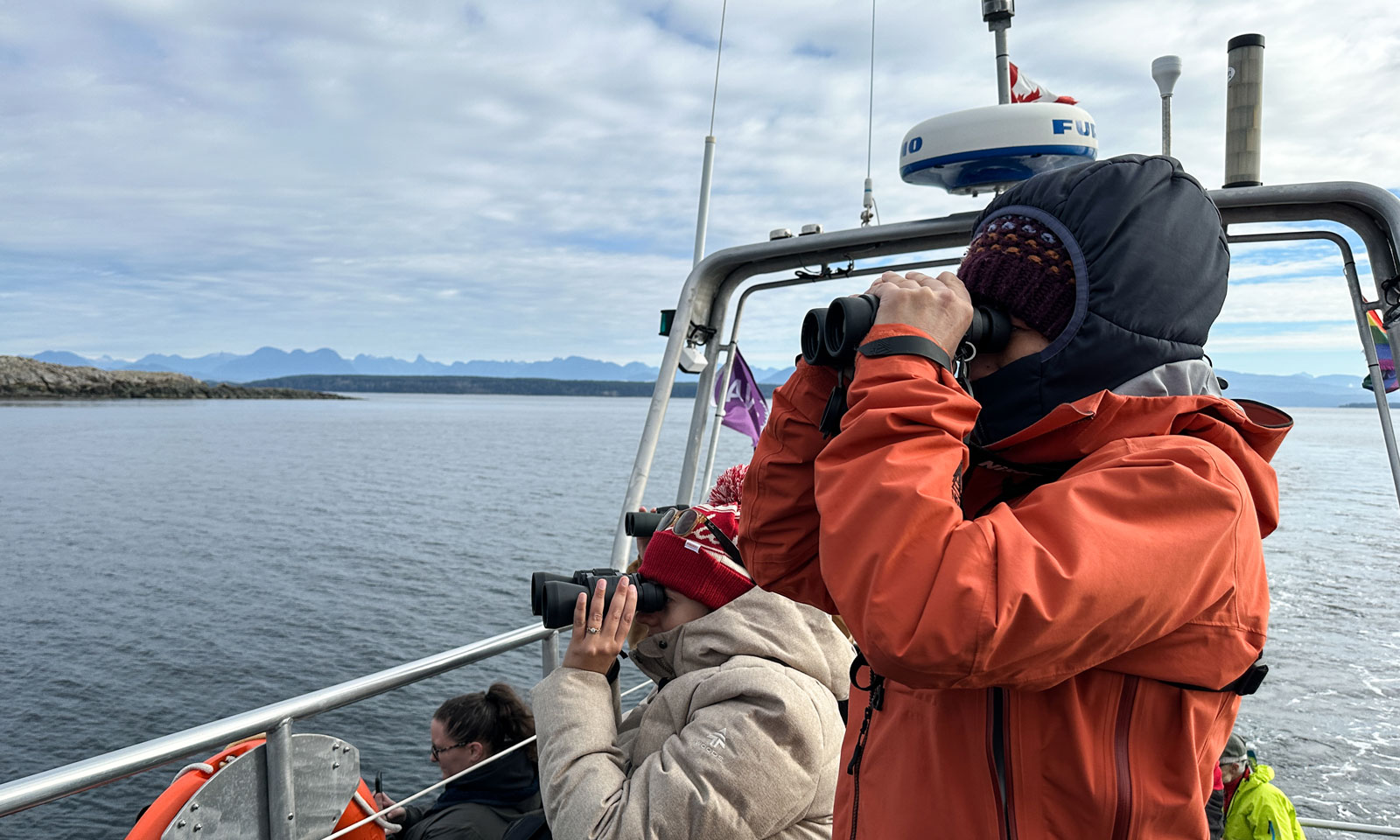
Participants on a MERS fundraising trip
We need a community to do this work
Join us in pushing for marine conservation. Learn, use your voice, and take action. We all have a role to play in protecting the ocean and its inhabitants.
Together, our efforts can create positive change.
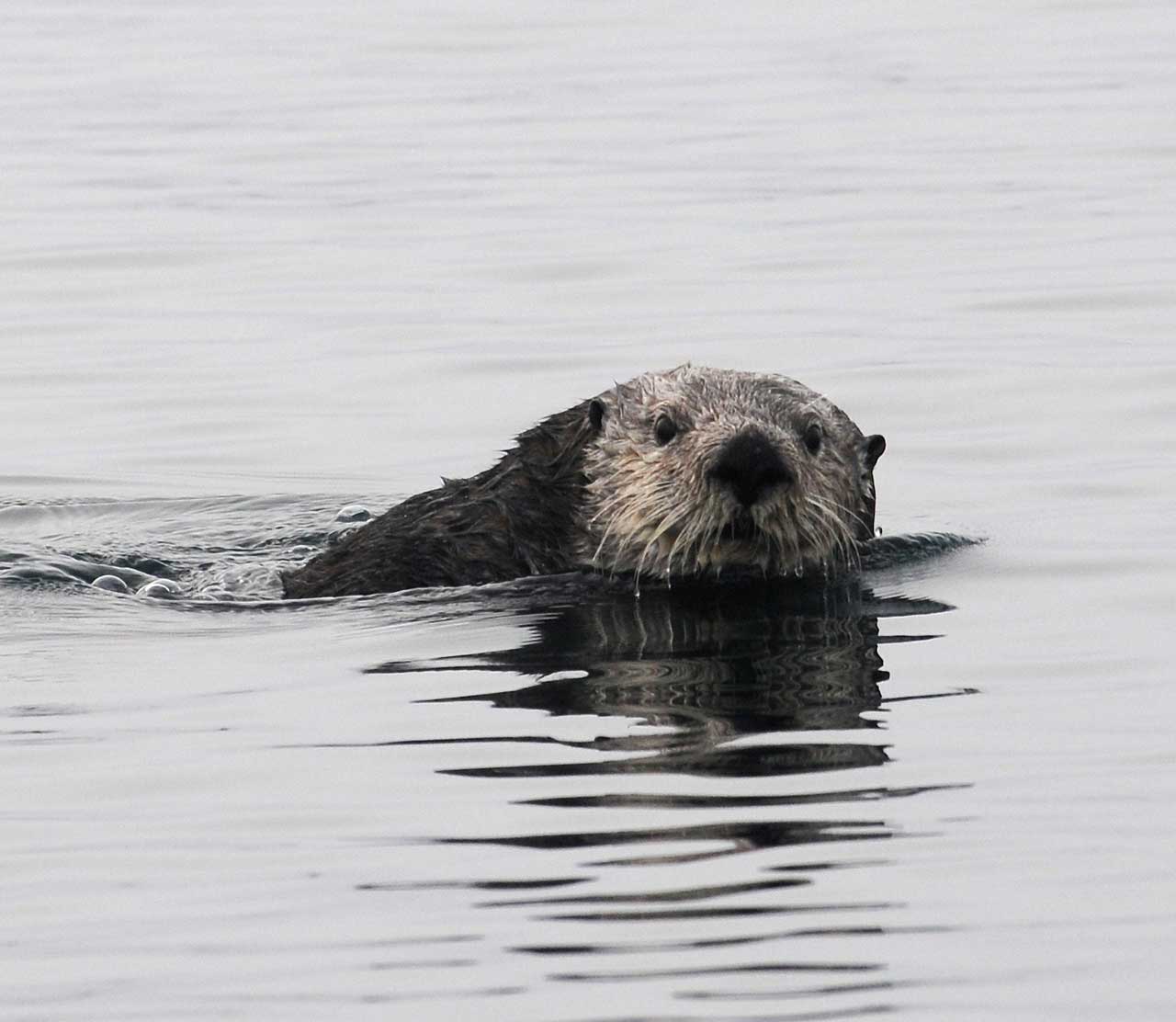
Sea Otter, ©Christie McMillan, MERS
Through engaging presentations and courses, we strive to promote marine conservation, reduce threats to marine life, and inspire stewardship for the marine ecosystem on BC’s coast. We offer learning opportunities in multiple formats: attend a presentation, watch a webinar, or take one of our multi-day Marine Mammal Naturalist Courses. Stay up to date by signing up for our newsletter.
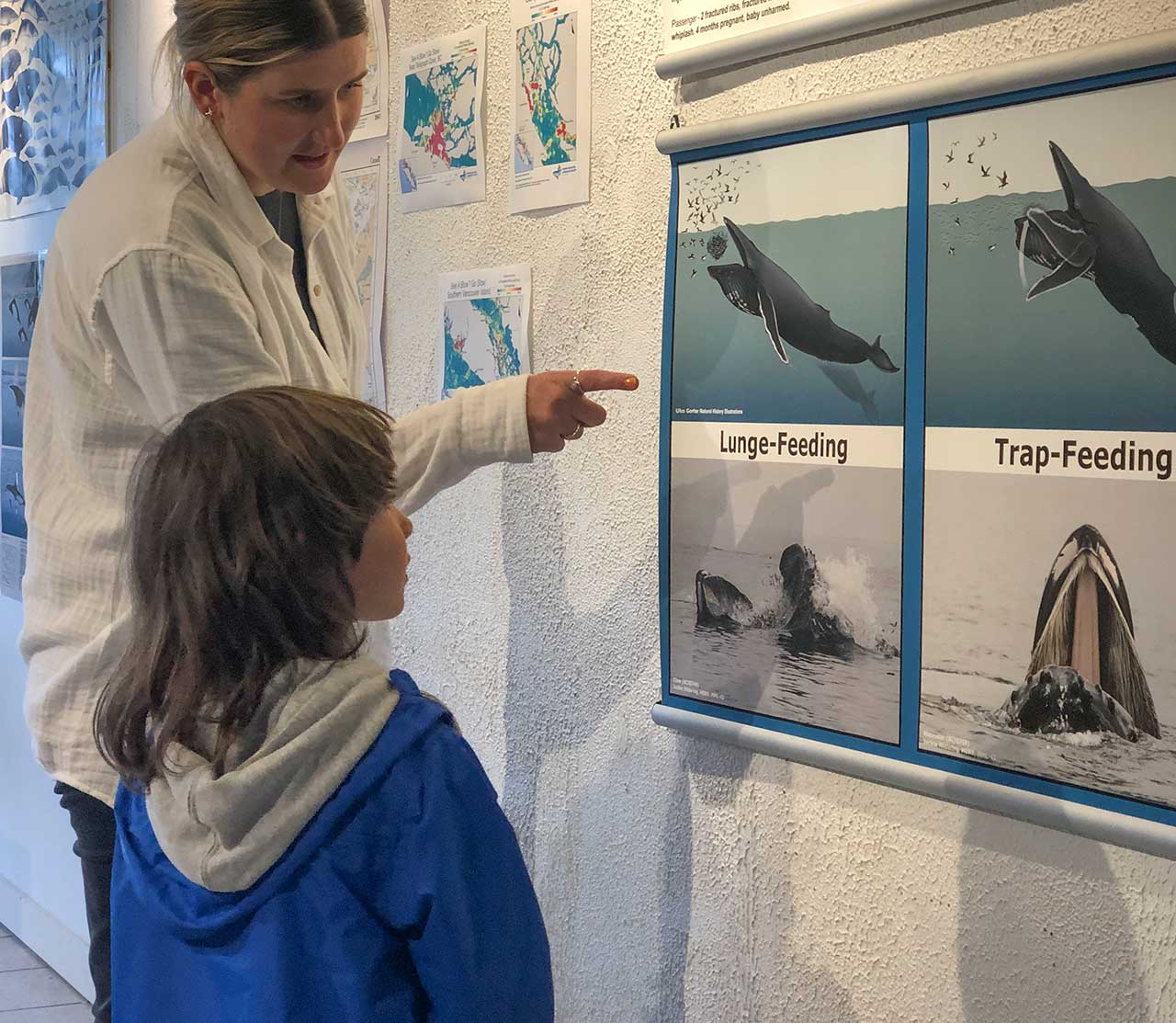
Education at our Port McNeill Office
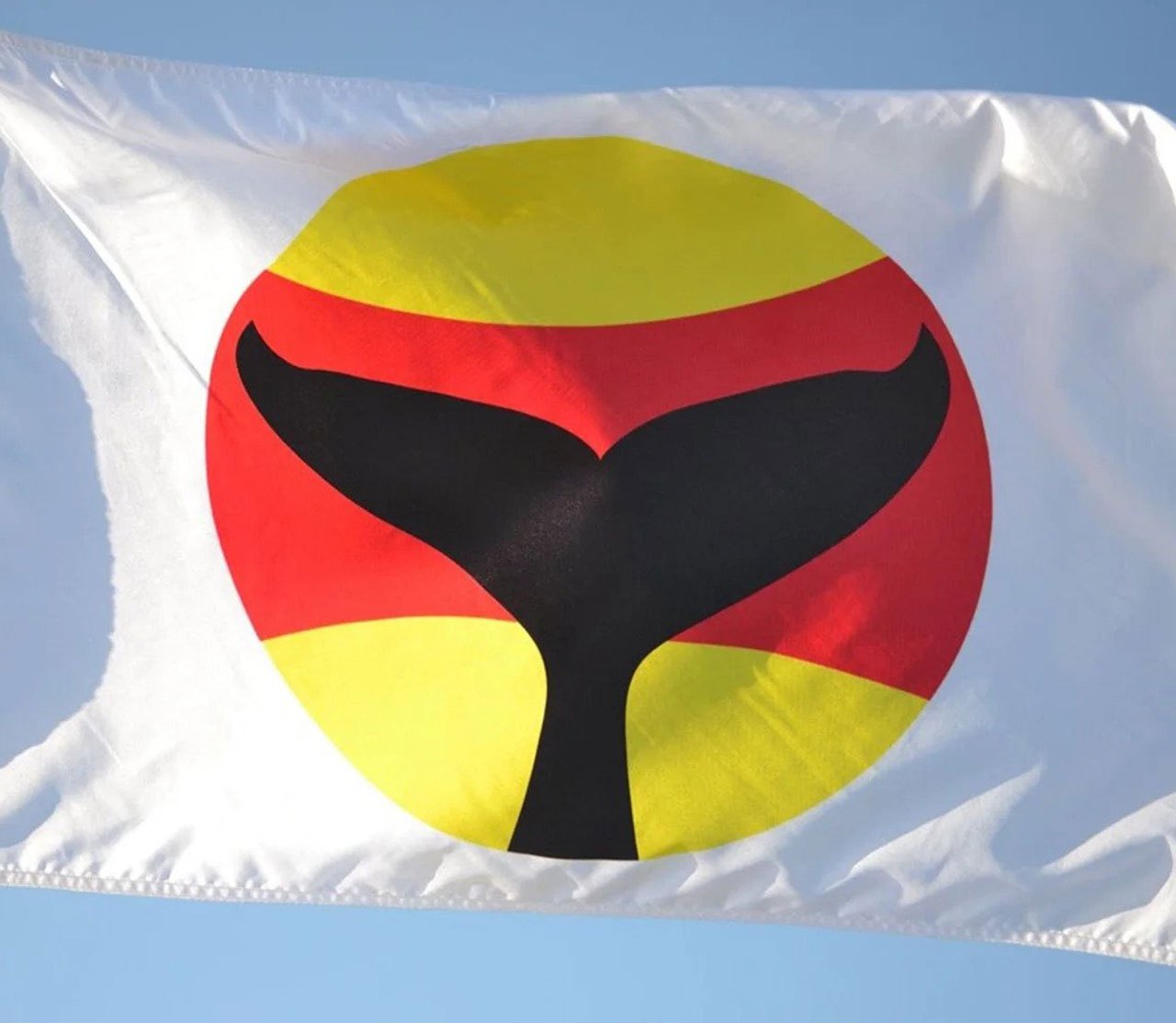
Safe boating around marine mammals protects whales and people. You can help by knowing the Regulations and best practices for operating around marine mammals. When on the water, stay alert and know what to look for as indicators of marine mammal presence. Fly the Whale Warning Flag to alert others of whales nearby. Lead by example and share your knowledge with other boaters.
Expand the reach of MERS by sponsoring a “See a Blow, Go Slow” sign or attending one of our learning opportunities. Share our content online. We need empowered, informed ambassadors to help our educational messaging reach further.
Join us to help the whales, and the ocean they depend on.
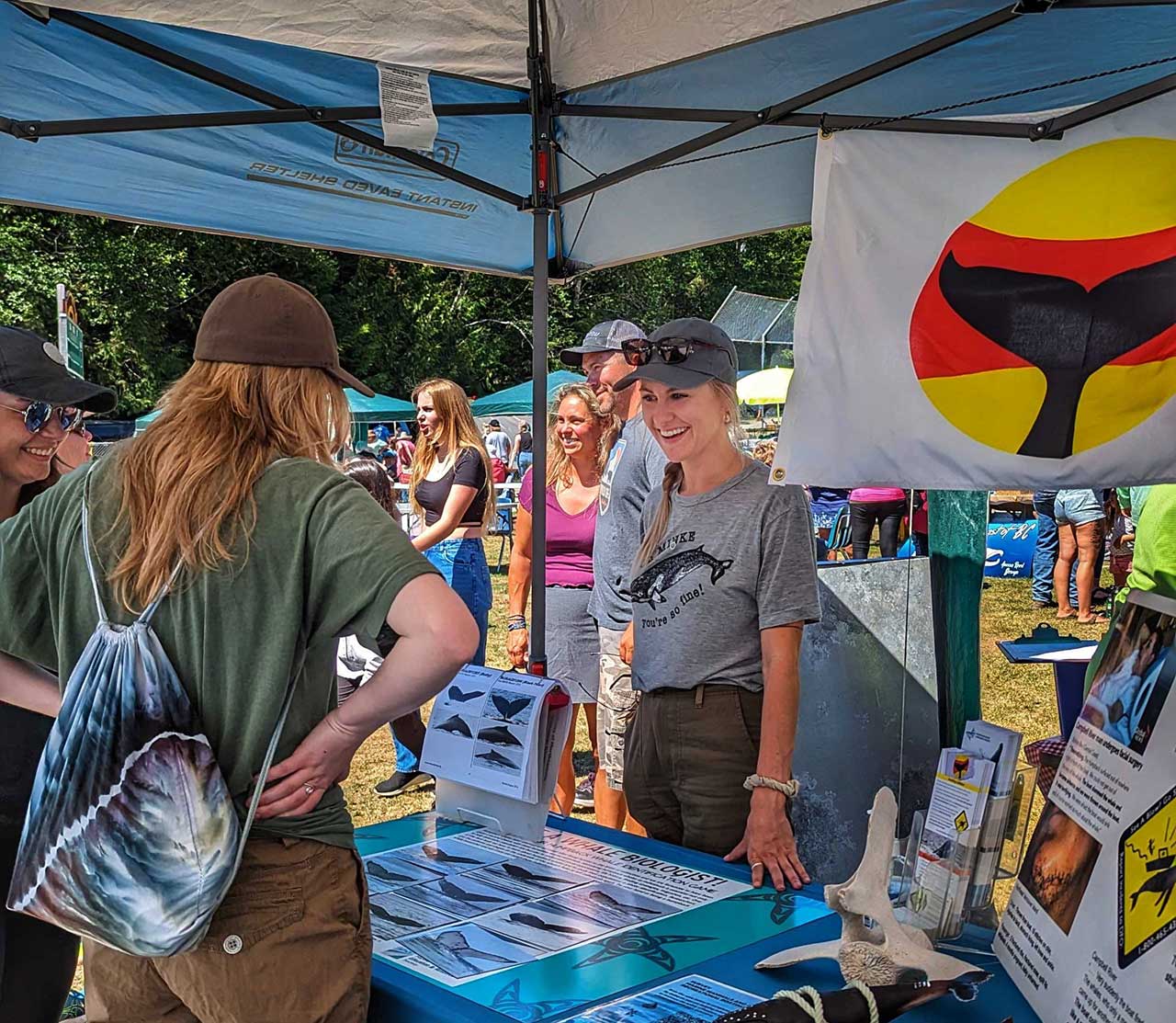
MERS outreach ©Marieke Knierim, MERS
August 4, 2026
From our online Whale-Safe Boating course: Dall’s Porpoises and dolphin species may choose to bow- or stern-ride. But at other times,…
August 1, 2026
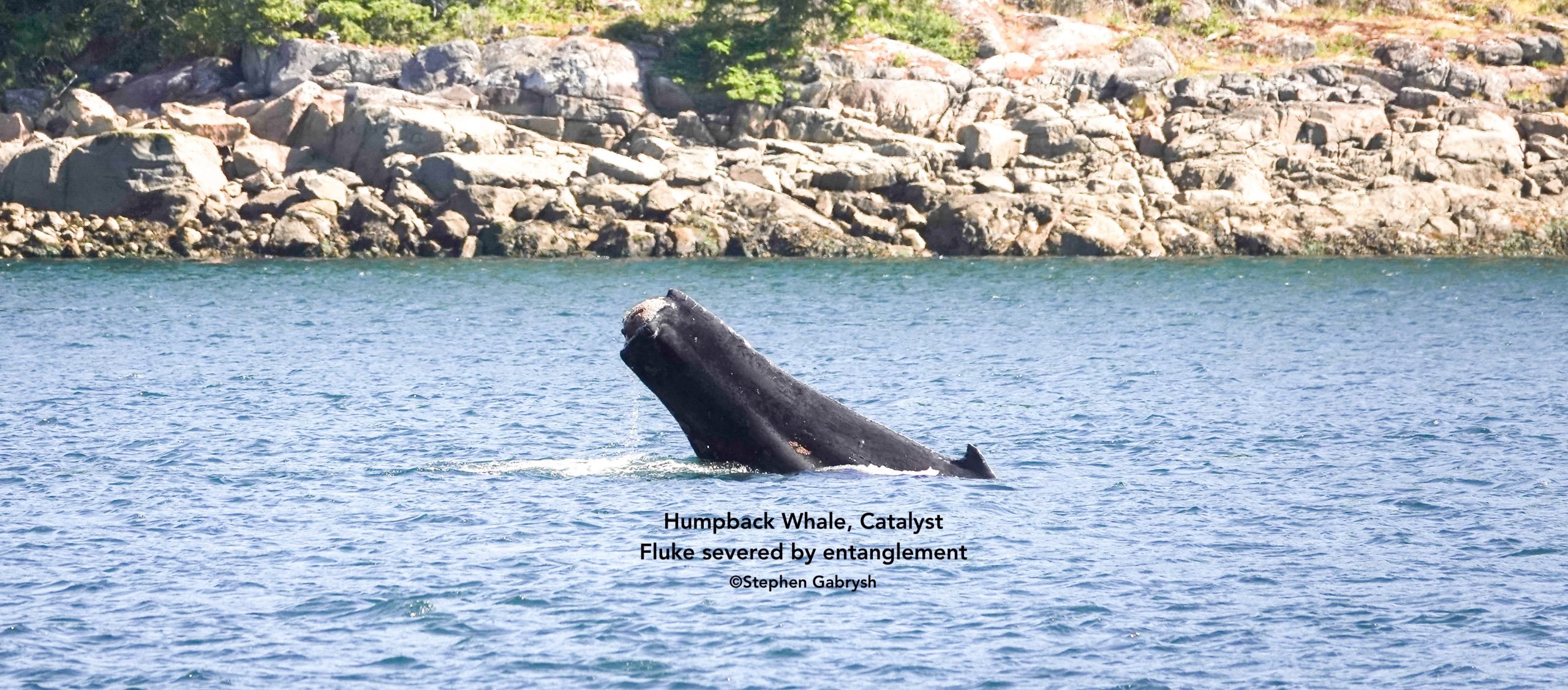
Recreational fishers care deeply about our coast and the wildlife that makes it such a special place to spend time. No…
May 28, 2026
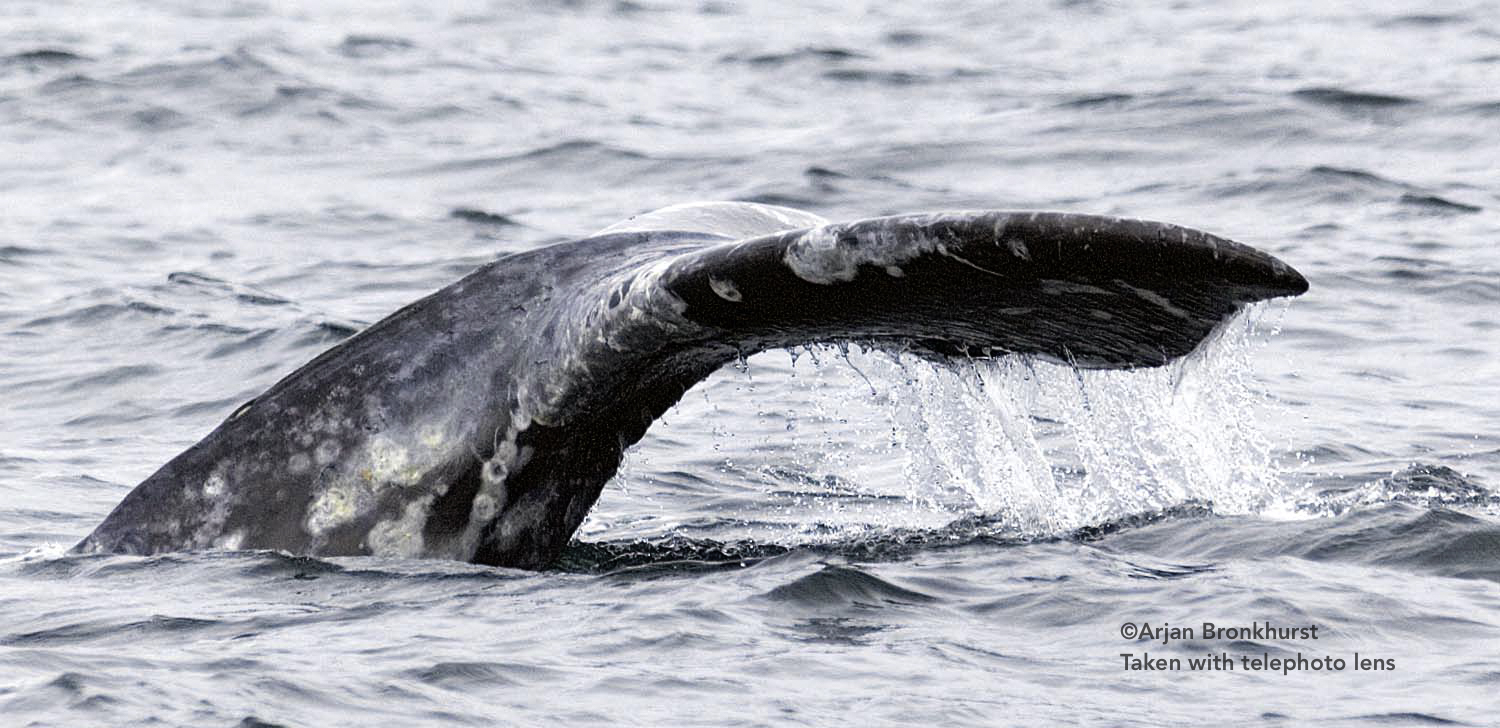
Update: July 13, 2026Number of Grey Whales known to have stranded throughout their range in 2026: 145 (NOAA, up to July…